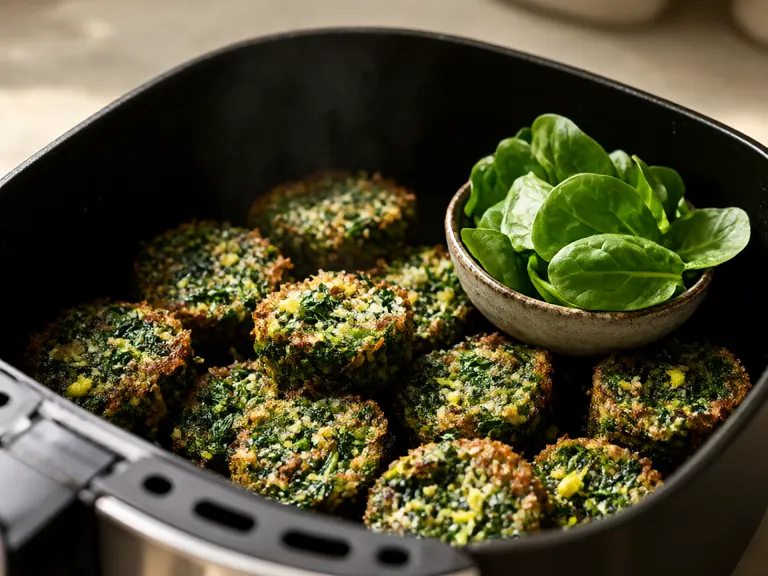
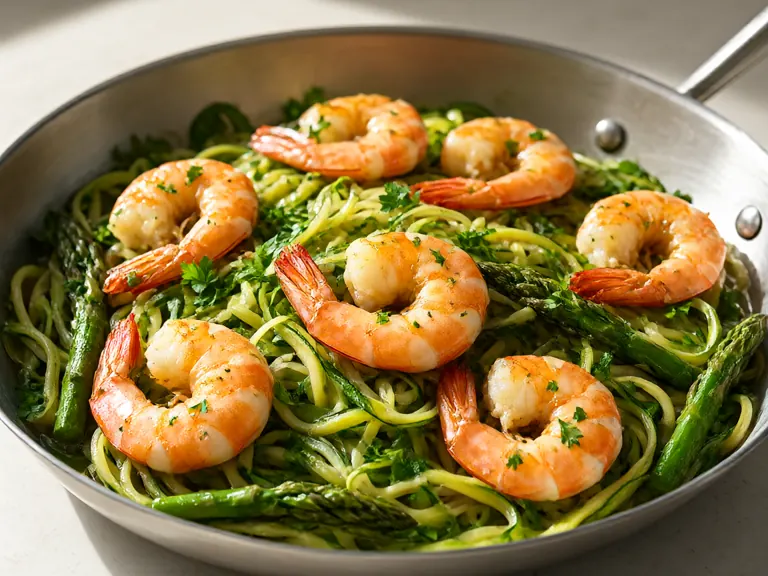
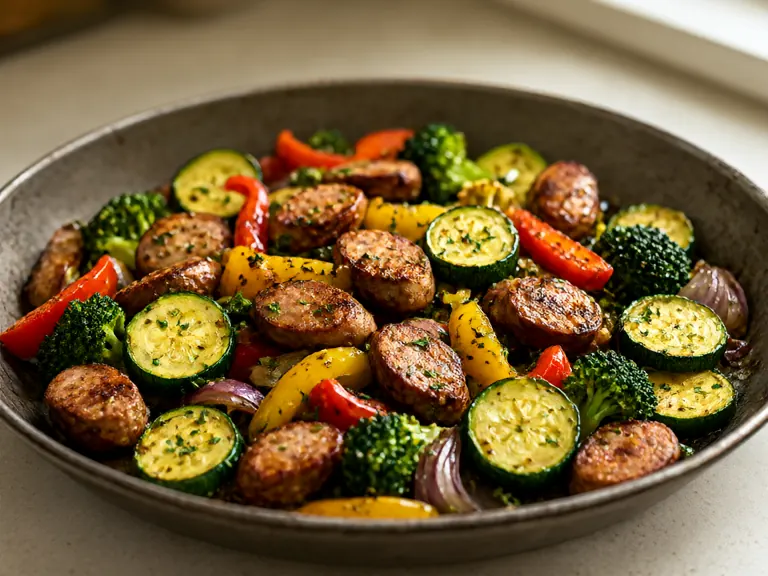
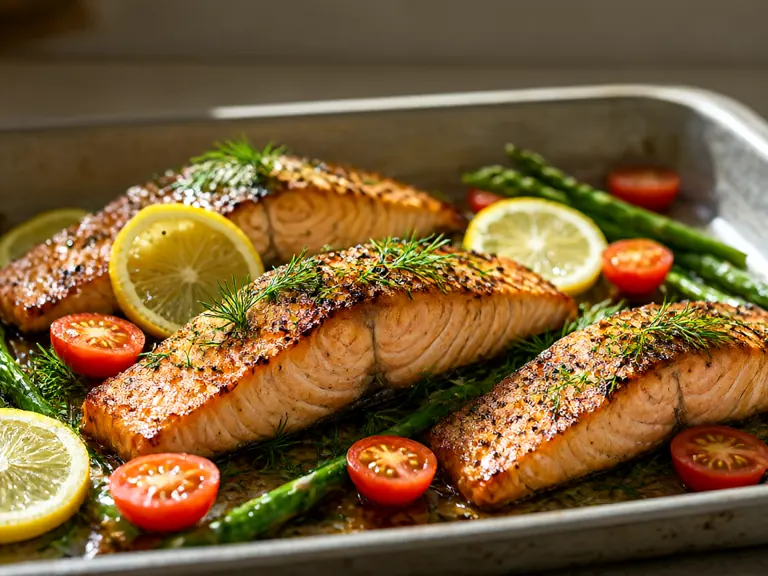
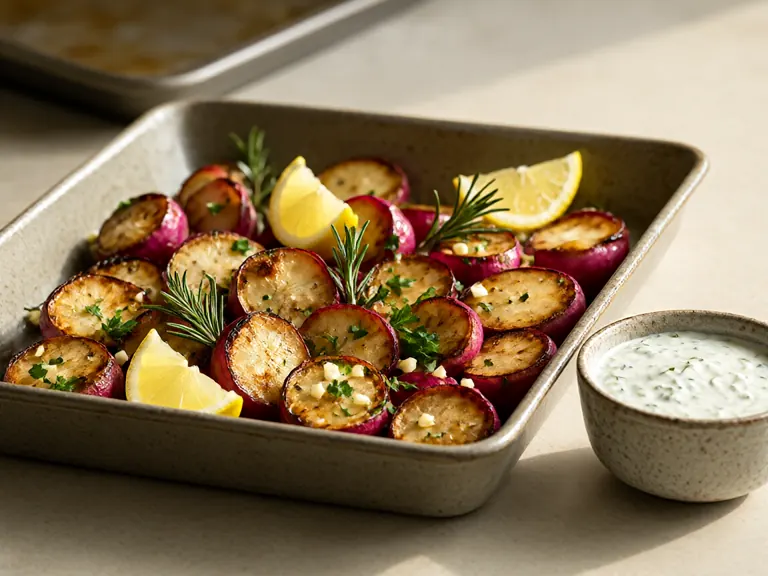
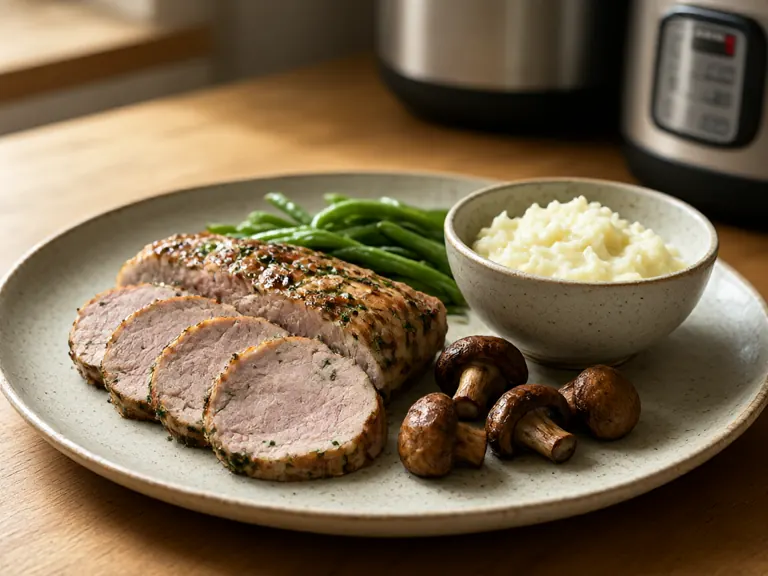
These one pan keto cabbage recipes are designed for a busy weeknight: sliced cabbage, browned sausage, garlic, and a simple mustard-lemon finish cooked in one skillet. Cabbage becomes sweet and tender around the edges while the pan keeps enough texture for a satisfying low-carb meal. The recipe uses ordinary ingredients, takes about 35 minutes, and can be served as a main dish or a side for eggs, chicken, or fish.
The key is to treat cabbage like a vegetable that needs space. If the pan is crowded, it steams instead of browning. If it is cut too thin, it can become soft before the sausage is ready. Use a wide skillet, cut the cabbage into thick ribbons, and add the liquid gradually. This gives you a flexible base for keto cabbage recipes for the Instant Pot or low carb air fryer cabbage recipes without pretending that every appliance produces the same texture.
One-pan cabbage skillet at a glance
| Item | Amount or timing | Practical note |
|---|---|---|
| Yield | 4 servings | About 1 1/2 cups per serving |
| Prep | 10 minutes | Use a wide skillet and thick ribbons |
| Cook | 25 minutes | Brown the sausage before adding cabbage |
| Finish | 5 minutes | Add lemon and mustard off the highest heat |
| Estimated nutrition | About 365 calories per serving | Approximately 17 g protein, 13 g total carbohydrate, 5 g fiber, and 8 g net carbohydrate |
Ingredients
- 1 medium green cabbage, about 2 pounds
- 12 ounces fully cooked smoked sausage, sliced into 1/2-inch rounds
- 1 tablespoon olive oil, plus more only if the pan is dry
- 1 small yellow onion, thinly sliced
- 3 garlic cloves, minced
- 1 teaspoon smoked paprika
- 1/2 teaspoon caraway seeds, optional
- 1/2 teaspoon kosher salt, plus more to taste
- 1/4 teaspoon black pepper
- 1/2 cup low-sodium chicken broth
- 1 tablespoon Dijon mustard
- 1 tablespoon lemon juice
- 2 tablespoons chopped parsley or chives
- Optional: 2 tablespoons sour cream for serving
How to make one pan keto cabbage recipes
1. Cut the cabbage for even cooking
Remove any damaged outer leaves and cut the cabbage into quarters. Slice out the tough core, then cut each quarter into ribbons about 1/2 inch wide. Thicker ribbons hold their shape and give you a better contrast between browned edges and tender centers. Separate the ribbons with your hands so the seasoning can reach the layers.
2. Brown the sausage and onion
Heat a 12-inch skillet or shallow Dutch oven over medium-high heat. Add the sausage in a single layer and cook for 3 to 4 minutes per side, until the edges are browned. Transfer it to a plate, leaving the drippings in the pan. Add the olive oil and onion. Cook for 3 minutes, stirring occasionally, then add the garlic, smoked paprika, caraway seeds, salt, and pepper for the final 30 seconds.
3. Cook the cabbage in batches if needed
Add about half of the cabbage to the skillet. Toss it through the sausage drippings and seasonings, then cook for 3 to 4 minutes until it begins to shrink. Add the remaining cabbage and repeat. If all of the cabbage fits without rising above the rim, keep it in one batch. Otherwise, adding it in stages prevents steaming and makes the finished dish more flavorful.
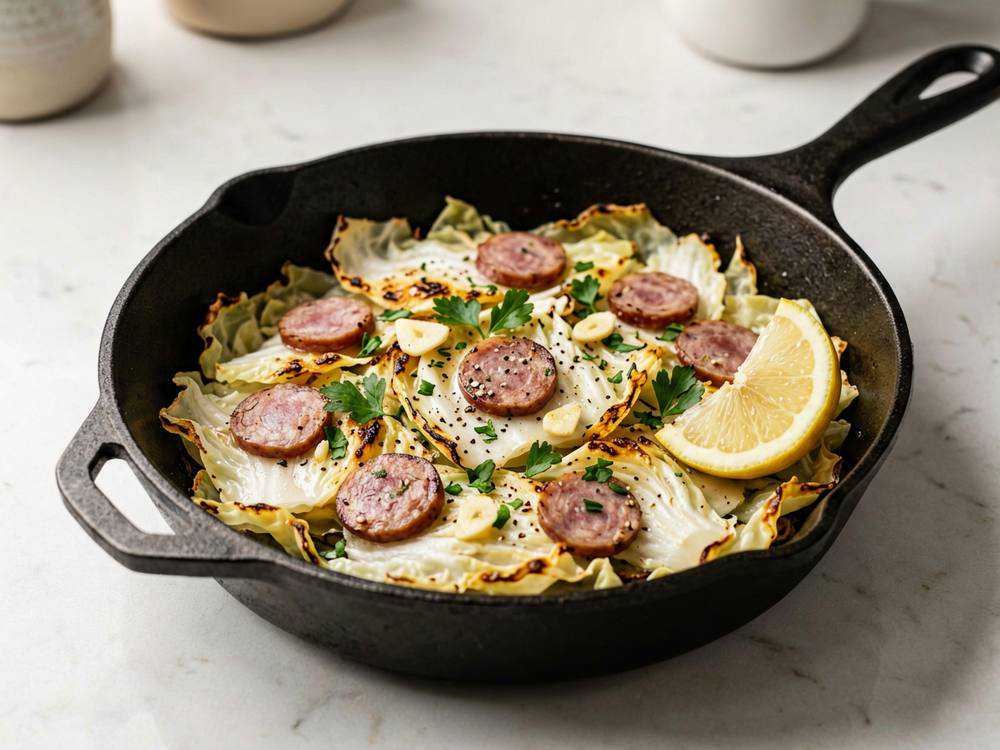
4. Add broth and finish the skillet
Pour in the broth and scrape the browned bits from the bottom. Cover the skillet and reduce the heat to medium-low. Cook for 8 to 10 minutes, stirring once or twice, until the thickest cabbage pieces are tender but not collapsing. Remove the lid and return the sausage to the pan.
Whisk the Dijon mustard and lemon juice into a tablespoon of the hot pan liquid, then pour it over the cabbage. Toss for 2 minutes so the sauce coats the ribbons. Turn off the heat and add parsley or chives. Taste before adding more salt because smoked sausage and mustard can vary considerably in sodium. Serve with sour cream if desired.
Substitutions and appliance variations
Use ground beef, ground pork, cooked chicken, or sliced turkey sausage instead of smoked sausage. If the meat is raw, brown it thoroughly before adding the onion, and confirm it reaches the safe temperature for that protein. For a meat-free version, use crumbled extra-firm tofu or a low-carb plant-based sausage, checking the label for added starches and sugar.
Red cabbage works, although it may soften slightly faster and will turn the pan a deeper purple. Napa cabbage cooks more quickly and has a softer texture, so add the broth in smaller amounts. For extra vegetables, add sliced mushrooms with the onion or a handful of spinach during the final 2 minutes. A spoonful of grated parmesan, a few chili flakes, or a teaspoon of apple-cider vinegar can change the flavor without changing the basic method.
For keto cabbage recipes for the Instant Pot, use the same sausage, cabbage, and seasoning combination but reduce the broth to about 1/4 cup. Pressure-cook only briefly and expect a softer result. For low carb air fryer cabbage recipes, toss thick wedges with oil and seasoning, then air fry at 375°F for about 12 to 16 minutes, turning once. The one-pan method remains the best choice when you want cabbage, protein, and sauce together.
Serving ideas and internal links
Serve the skillet as a complete meal with a side salad, cucumber, or a small portion of avocado. If you want more protein, add a fried egg, shredded chicken, or leftover roast pork. If you want a lighter side, reduce the sausage to 6 ounces and pair the cabbage with grilled salmon or chicken breast.
Continue through the appliance recipe hub for more cooking methods. The 30-minute keto asparagus recipe uses a similar time-conscious approach, while the grilled keto Brussels sprouts recipe shows how direct heat changes the texture of a cruciferous vegetable. For a gentler method, compare the slow-cooker keto broccoli recipe.
Storage, reheating, and meal prep
Cool leftovers promptly in shallow containers and refrigerate them in a sealed container for up to 3 days, following local food-safety guidance. If you are adding sour cream, herbs, or a fresh garnish, store those separately. Cabbage releases moisture as it sits, so keeping the sauce and toppings apart helps the texture remain more appealing.
Reheat in a covered skillet over medium-low heat with 1 tablespoon of broth or water. Stir once or twice and stop as soon as the food is hot. The microwave works in 45-second intervals, but it will create a softer cabbage texture. Avoid reheating the same portion multiple times. For meal prep, divide the cabbage and sausage into four portions, label the date, and add fresh lemon or herbs after reheating.
The nutrition estimate assumes a standard smoked sausage and four equal servings. Brand differences in fat, sodium, protein, and carbohydrate can change the totals. If nutrition is important for your plan, use the package label for your sausage and measure the oil and sour cream rather than relying on an unmeasured pour.
Common mistakes to avoid
- Using a narrow pan: Cabbage needs surface area to brown. Use a wide skillet or cook in two batches.
- Adding all the broth at once: Start with the measured amount and add more only if the cabbage remains firm.
- Overcooking after the lid comes off: The residual heat will continue to soften the ribbons.
- Skipping the label check: Sausage, mustard, and plant-based alternatives can contain added sugar or high sodium.
- Expecting every appliance to match: An air fryer browns, an Instant Pot softens, and a skillet does both when managed carefully.
FAQ
Can I make this recipe without sausage?
Yes. Use cooked chicken, ground meat, tofu, or simply increase the mushrooms and finish with eggs or another protein at serving. Adjust the salt because sausage normally supplies a large part of the seasoning.
How do I keep cabbage from becoming watery?
Use a wide pan, avoid washing cabbage immediately before cooking unless you dry it well, add broth gradually, and remove the lid for the final minutes. Overcrowding is the most common reason cabbage steams instead of browns.
Is cabbage keto-friendly?
Cabbage can fit many low-carbohydrate meals, but the total depends on portion size and the other ingredients. Measure sauces, sausage, and added vegetables when you need a more precise estimate.
Can I freeze the leftovers?
You can freeze the cooked cabbage and sausage, but the texture will be softer after thawing. Freeze in single portions, thaw in the refrigerator, and reheat gently in a skillet with a splash of broth.
For testing standards and nutrition-estimate boundaries, see the Editorial Policy and Health and Nutrition Disclaimer. This article provides general food information and is not individualized medical advice.