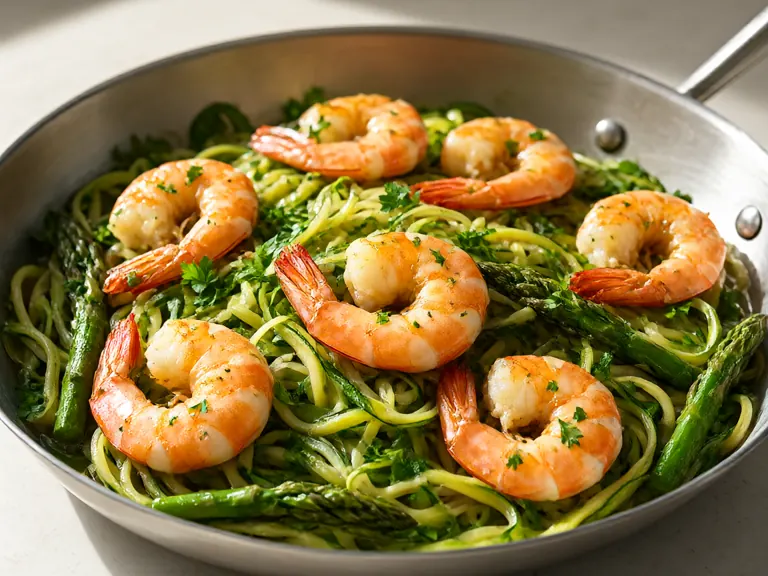
These 30 minute keto shrimp recipes are built for a fast dinner with clear timing and very little cleanup. The main method cooks garlic-lemon shrimp in one wide skillet, then folds in asparagus and zucchini noodles after the shrimp are removed. This keeps the seafood tender and prevents the vegetables from releasing too much water. A short Instant Pot note, exact portions, substitutions, storage guidance, and a nutrition estimate are included so the recipe can fit a busy low-carb week.
The base recipe makes four servings and takes about 10 minutes to prep plus 12 to 15 minutes on the stove. One serving is approximately 285 calories, 31 g protein, 14 g fat, and 7 g net carbohydrates, before optional cheese. Use the package label for your shrimp and sauces if you are tracking carbohydrates. For more cooking methods, visit the air fryer, slow cooker, and Instant Pot keto recipe hub.
Ingredients for Quick Keto Shrimp
- 1 1/2 pounds peeled and deveined shrimp, thawed and patted dry
- 2 tablespoons olive oil, divided
- 4 garlic cloves, thinly sliced or minced
- 1/2 teaspoon kosher salt and 1/4 teaspoon black pepper
- 1/2 teaspoon smoked paprika
- 1 pound asparagus, trimmed and cut into 2-inch pieces
- 2 medium zucchini, spiralized or cut into thin ribbons
- 1 lemon, zest plus 2 tablespoons juice
- 2 tablespoons chopped parsley
- 1/4 teaspoon red pepper flakes, optional
- Optional: 2 tablespoons grated Parmesan or 1 tablespoon unsalted butter
Medium or large shrimp are easier to time than very small shrimp. Frozen shrimp are fine, but thaw them in the refrigerator and pat them dry. Excess water lowers the skillet temperature and makes the shrimp simmer rather than sear. If buying pre-seasoned or sauced shrimp, read the label for added sugar, flour, or a high-sodium marinade.
How to Make the Skillet Recipe
- Season the shrimp. Pat the shrimp dry and toss with salt, pepper, and smoked paprika. Set them aside while the vegetables are prepared. Do not leave raw seafood at room temperature longer than needed.
- Cook the asparagus. Heat 1 tablespoon olive oil in a large skillet over medium-high heat. Add asparagus and cook for 4 to 5 minutes, stirring occasionally, until bright green with a slight bite. Transfer it to a plate.
- Sear the shrimp. Add the remaining oil. Place shrimp in one layer and cook for about 90 seconds on the first side. Turn, add garlic and red pepper flakes, and cook 60 to 90 seconds more. The shrimp are ready when opaque and curled into a loose C shape. Avoid cooking until they form a tight O, which usually indicates overcooking.
- Finish the sauce. Transfer the shrimp to the plate with the asparagus. Add lemon zest, lemon juice, and butter if using to the warm skillet. Scrape up the browned garlic bits and simmer for 30 seconds.
- Wilt the zucchini. Add zucchini ribbons to the skillet and toss for 1 to 2 minutes. They should soften slightly but remain firm enough to hold shape. Return the asparagus and shrimp, toss once, and finish with parsley.
If your skillet is not wide enough for one layer, cook the shrimp in two batches. Overcrowding traps steam and makes the shrimp release liquid. The total cooking time may be similar, but the texture will be much better.
Low Carb Instant Pot Shrimp Recipes: Timing Notes
Shrimp cook so quickly that a skillet is usually the most dependable method, but you can use an Instant Pot for a saucy variation. Add 1 cup broth, garlic, lemon zest, and paprika to the pot. Place shrimp in a steamer basket, cook on high pressure for 0 minutes, and release pressure immediately when the cycle starts. “Zero minutes” means the pot cooks during the time it takes to reach pressure; do not let the shrimp sit under pressure afterward. Check the thickest shrimp and finish the sauce using the sauté setting.
For low carb instant pot shrimp recipes with vegetables, cook the asparagus separately or add it only after pressure cooking. Zucchini becomes soft under pressure, so stir it into the hot sauce at the end. This preserves the contrast between tender shrimp and lightly crisp vegetables.
Substitutions and Flavor Variations
Use cauliflower rice instead of zucchini noodles if you want a more filling base. Cook the cauliflower separately so it does not dilute the lemon sauce. Broccoli florets, green beans, or thinly sliced cabbage can replace asparagus, although dense broccoli benefits from a short head start. Cod or scallops can replace shrimp, but their thickness changes the cooking time and they should be checked separately.
For a creamy variation, remove the pan from the heat and stir 2 tablespoons cream cheese with 2 tablespoons warm broth into the lemon-garlic juices. For dairy-free cooking, use olive oil, parsley, and more lemon instead. A teaspoon of capers adds briny flavor without requiring a sugary sauce. Keep the base seasoning simple when using a pre-seasoned sausage or another salty side.
Portions, Serving, and Meal Prep
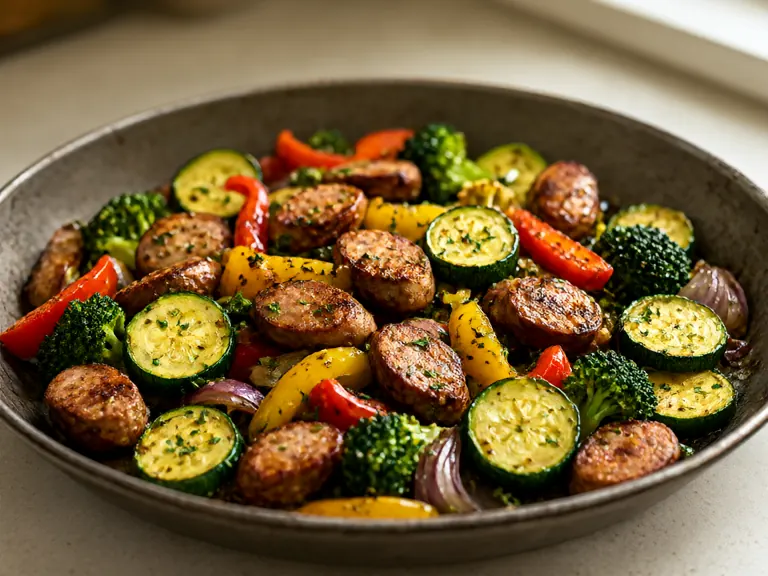
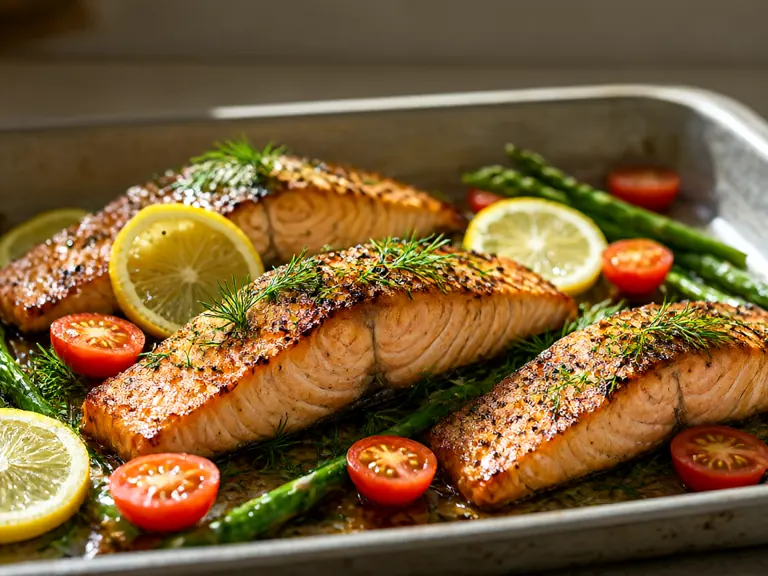
Divide the finished recipe into four portions of about 5 to 6 ounces cooked shrimp plus 1 1/2 cups vegetables. Serve it with the 30-minute asparagus collection if you want another vegetable method, or compare it with the oven-baked salmon dinner for a slower, hands-off seafood option. The one-pan sausage recipe is a useful non-seafood alternative for meal planning.
For meal prep, cool the shrimp and vegetables separately before packing them into shallow containers. Refrigerate for up to two days for the best texture. Reheat gently in a covered skillet with a tablespoon of broth, or eat the shrimp cold over greens. Avoid a long microwave cycle because shrimp become rubbery quickly. If freezing, freeze the cooked shrimp with sauce for up to one month and prepare fresh zucchini or asparagus after thawing. Frozen zucchini noodles release water and are better used in soup than in this skillet.
Nutrition Estimate Per Serving
| Nutrient | Approximate amount |
|---|---|
| Calories | 285 |
| Protein | 31 g |
| Fat | 14 g |
| Total carbohydrate | 11 g |
| Fiber | 4 g |
| Net carbohydrate | 7 g |
This estimate assumes 1 1/2 pounds shrimp, two tablespoons olive oil, asparagus, zucchini, and no optional Parmesan or cream cheese. Actual nutrition changes with shrimp size, vegetables, oil absorbed, and toppings. Use this table as a general meal-planning estimate rather than individualized medical guidance.
FAQ
How do I know when shrimp are done?
They should be opaque, firm, and curled into a loose C shape. An instant-read thermometer can be used as an additional check, but visual texture and timing are also useful because shrimp cook quickly.
Can I use frozen shrimp without thawing?
Thawing is preferred for even browning. If cooking from frozen, rinse away ice, pat the shrimp as dry as possible, and expect extra liquid and a longer cooking time.
Why are my zucchini noodles watery?
They may have cooked too long or were salted before entering the pan. Add them at the end, cook only until barely tender, and drain excess liquid before serving.
Can I make this recipe ahead?
Yes, but seafood texture is best within two days. Store shrimp and vegetables separately, reheat gently with a little broth, and add fresh lemon and herbs after warming.