If you are comparing high protein low carb bread alternatives, start with the label rather than the front-of-pack claim. This practical guide looks at serving size, fiber, protein, net-carbohydrate math, texture, and how the product behaves in an everyday meal. Brand formulas change, so treat the checklist below as a repeatable buying method.
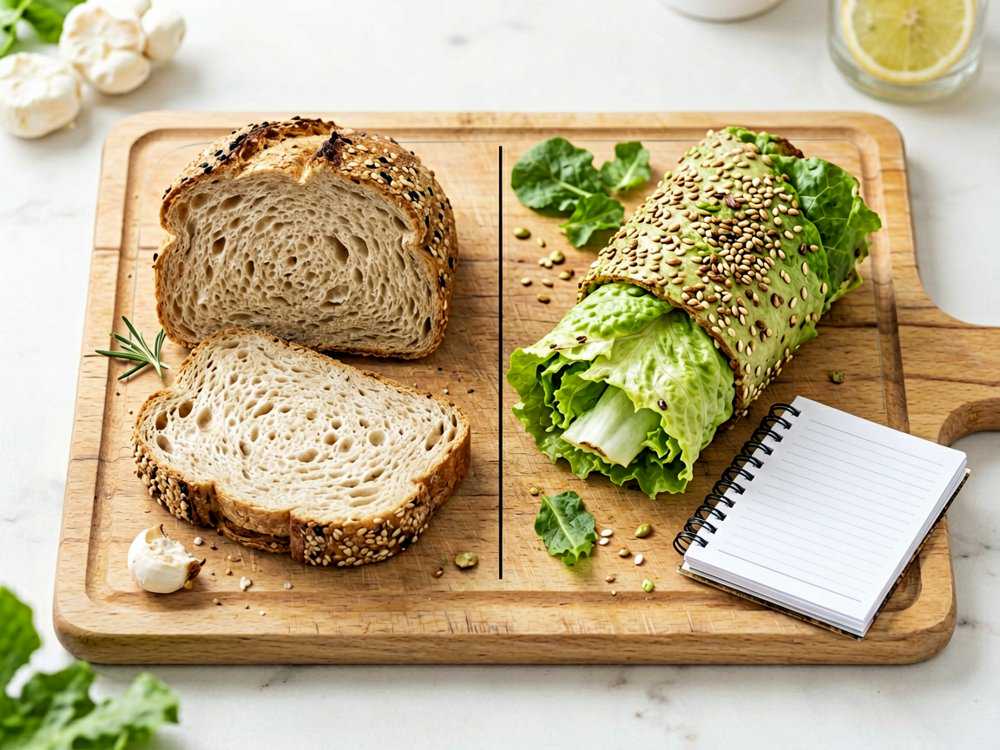
What to check first
- Write down the serving size and compare it with the amount you actually eat.
- Check total carbohydrate, fiber, added sugar, and protein in the same serving.
- Look for allergens, sugar alcohols, and ingredients that may not suit your household.
- Compare price per serving, storage needs, and whether the product is useful beyond one recipe.
Quick comparison table
| Measure | Useful question |
|---|---|
| Protein | Does it support the meal, or is it mostly a small snack portion? |
| Carbohydrate | Is the listed serving realistic for your plate? |
| Texture | Does it toast, bake, or stay crisp as promised? |
| Value | Would a simple whole-food substitute cost less? |
How to use the result
Choose the option that fits your recipe and routine, not just the lowest headline number. Keep a photo of the label when you buy a repeat product, because formulas and serving sizes can change. For ingredient swaps, visit low-carb substitutions; for site testing and updates, see our editorial policy.
Practical kitchen notes
A useful substitution preserves the job an ingredient performs, not just its name. A flour replacement may need to provide structure, a sweetener may need to dissolve, and a dairy-free swap may need to add both moisture and richness. Start with a small batch and expect to adjust liquid, resting time, or heat.
The best swap notes explain what the reader should notice. If the replacement browns faster, lower the heat slightly; if it absorbs more liquid, let the mixture rest before adding more; if it tastes sharper, balance it with salt, fat, or acid. These practical signals are more reliable than treating every substitution as a one-for-one exchange.
Small checks that improve the result
- Identify the original ingredient's role first.
- Change one variable at a time.
- Rest batters and mixtures before correcting them.
- Write down the ratio that produced the best texture.
Make Low-Carb Bread: What to Buy and How to Use It work for your week
Plan the first attempt when you have a few extra minutes to observe the cooking process. Once you know how your equipment and ingredients behave, the recipe becomes easier to repeat, scale, and adapt. Keep the core method intact, then change one detail at a time so the final version remains clear and dependable.
Related keywords
For another practical option, compare low-carb brownie alternatives. Use the substitution hub when you want more ideas, and review our recipe testing standards for how estimates are presented.
FAQ
Are these permanent product rankings?
No. Availability, price, and formulas change. Recheck the current label before buying.
Can a product fit every low-carb plan?
No single product fits everyone. Consider allergies, preferences, medical advice, and your overall eating pattern.